Case Study: Successful Traffic Control Solutions for a Major Nashville Event


Introduction
Organizing a major event in a bustling city like Nashville presents numerous challenges, particularly when it comes to traffic control. With thousands of attendees converging in one area, ensuring smooth traffic flow is essential for the event's success. This case study examines the innovative traffic control solutions implemented for a recent high-profile event in Nashville.

Understanding the Challenge
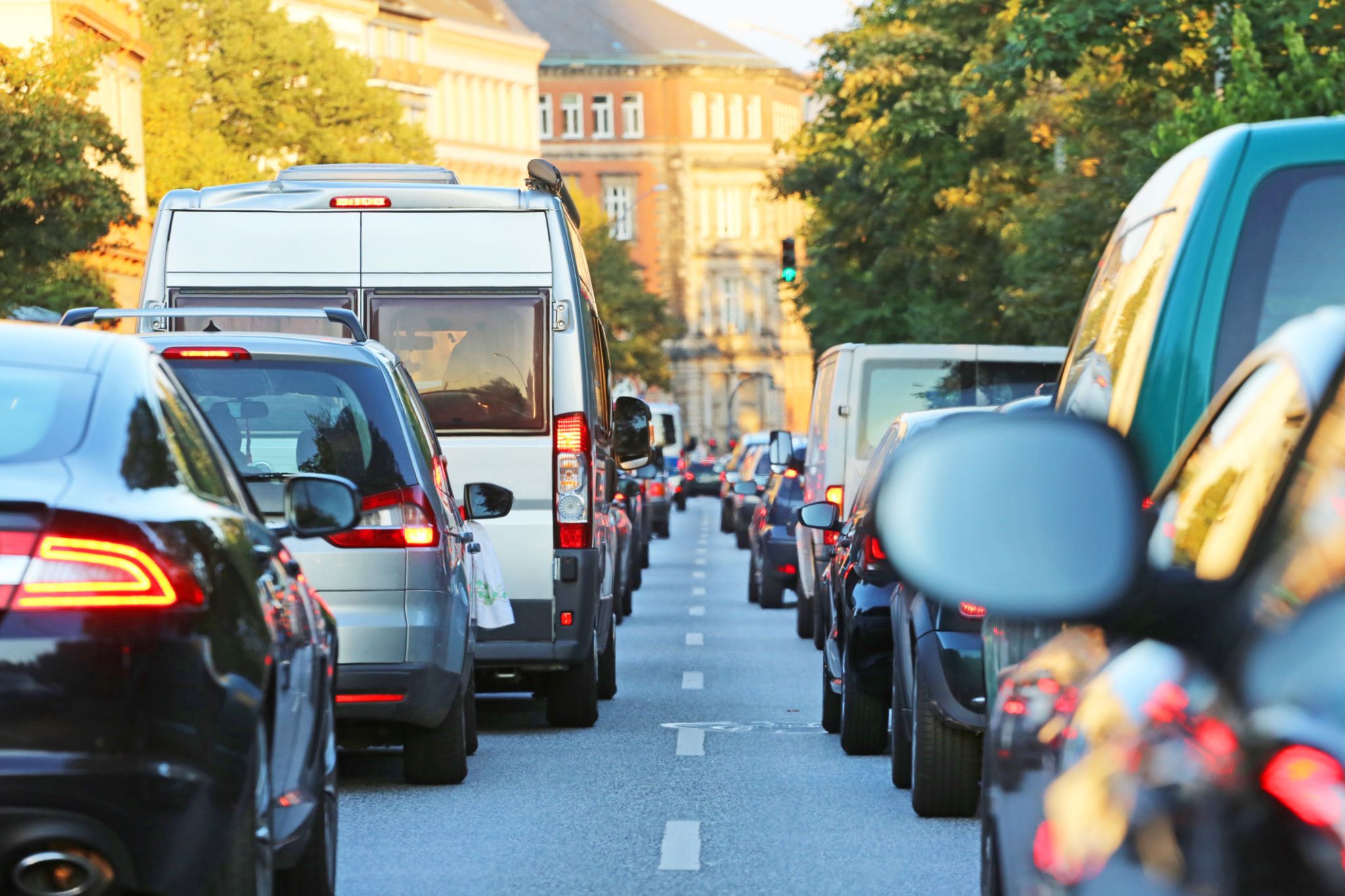
The event was expected to attract over 50,000 visitors, many of whom would arrive by car. The challenge was to manage this influx without causing gridlock in the city center. Key considerations included:
- Minimizing disruptions to local residents and businesses
- Ensuring quick and safe access for emergency services
- Providing efficient parking solutions
Strategic Planning
Successful traffic management began with comprehensive planning. The organizers collaborated with city officials, traffic engineers, and local law enforcement to develop a strategic plan. The focus was on:
- Designating specific entry and exit routes
- Implementing real-time traffic monitoring
- Utilizing smart signage for guidance
Innovative Solutions
Several innovative solutions were employed to enhance traffic flow. Real-time data from traffic cameras and sensors allowed for dynamic adjustments to traffic signals and signage. Additionally, a dedicated mobile app provided attendees with live updates and alternate routes.
Smart Parking Management
The event also introduced a smart parking system. Attendees could reserve parking spots in advance, reducing the time spent searching for parking. This system was integrated with the mobile app, guiding drivers directly to available spaces.

Community Engagement
Engaging with the local community was crucial. Informational sessions were held to explain the traffic control measures and address any concerns. By involving residents and businesses in the planning process, organizers fostered a spirit of cooperation and understanding.
Feedback and Adjustments
Feedback was actively sought during and after the event. This allowed for real-time adjustments and provided valuable insights for future events. Continuous improvement ensures that each event builds on the success of the last.
Results and Impact
The traffic control measures were a resounding success. Event organizers received praise for their efficient management, and local disruptions were minimized. The event set a new standard for traffic solutions in Nashville, showcasing the power of strategic planning and technology.
In conclusion, the case study demonstrates that with the right approach, even the most challenging traffic scenarios can be navigated successfully. Nashville's experience serves as a blueprint for other cities hosting large-scale events.